Overview of Valiant Vishwa Epic Showdown
Valiant Vishwa Epic Showdown stands as one of India’s most ambitious gaming projects, blending rich mythological storytelling with cutting-edge action-adventure gameplay. Developed by Daman Games, this title draws inspiration from the Vedas, Puranas, and regional folk tales, creating a gaming experience that resonates deeply with Indian audiences while offering universal appeal.
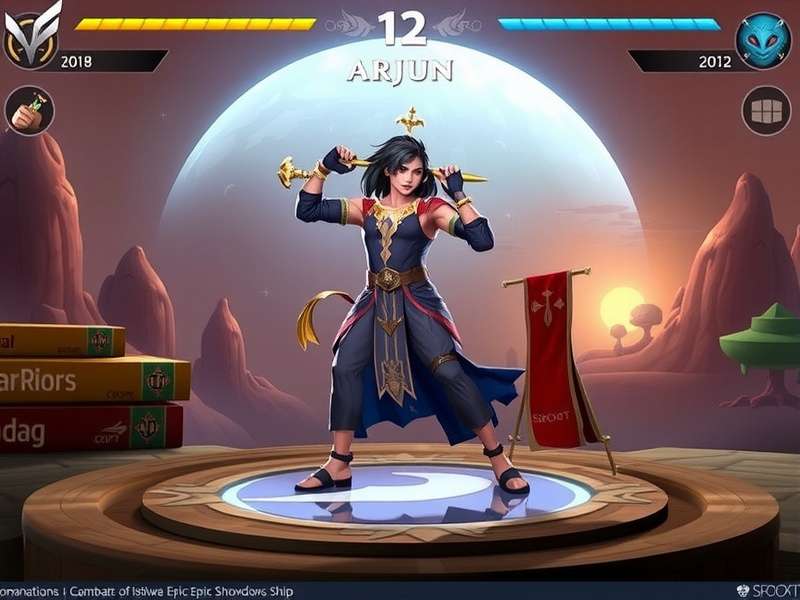
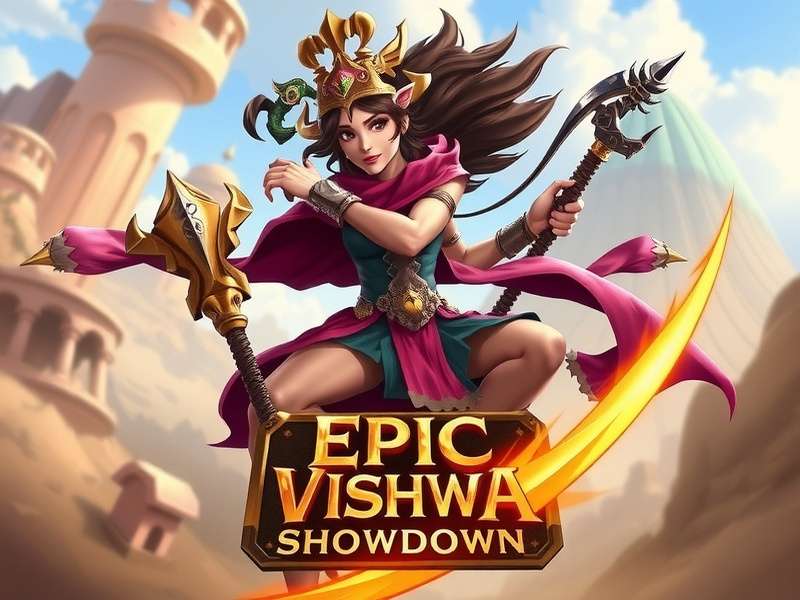
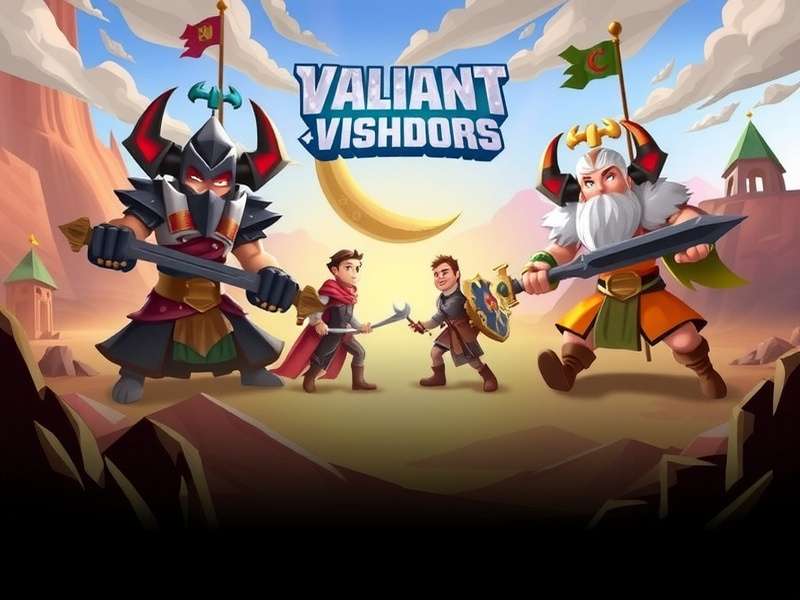
A thrilling battle scene from Valiant Vishwa Epic Showdown, showcasing the game's stunning visual design and combat mechanics.
Launched in August 2023, the game quickly gained traction in the Indian gaming market, amassing over 5 million downloads within its first month. What sets it apart is its commitment to authenticity—every character, weapon, and location is meticulously researched to reflect India’s cultural heritage, while the gameplay mechanics are designed to cater to both casual and hardcore gamers.
The game is available across multiple platforms, including Android, iOS, Windows, and macOS, ensuring that players can enjoy the experience on their preferred devices. With regular updates and a dedicated development team, Valiant Vishwa Epic Showdown continues to evolve, adding new content, characters, and gameplay modes to keep the community engaged.
Core Concept
At its heart, Valiant Vishwa Epic Showdown revolves around the concept of "dharma" (righteousness) versus "adharma" (unrighteousness). Players take on the role of a hero chosen by the gods to defend the universe from the forces of darkness, led by the powerful demon king, Mahishasura. The journey takes players across various mythological realms—from the snowy peaks of the Himalayas to the depths of Patala (the underworld)—each with its own unique challenges and secrets.
Unlike many Western mythological games, which often focus on individual heroism, Valiant Vishwa Epic Showdown emphasizes community and collective responsibility. Players can team up with friends in co-op mode or join guilds to participate in large-scale battles against powerful bosses, fostering a sense of camaraderie and shared achievement.
Market Reception
Critics have praised Valiant Vishwa Epic Showdown for its innovative approach to mythological gaming. Gaming publications like TechGaming India have hailed it as "a landmark title for the Indian gaming industry," highlighting its stunning visuals, engaging storyline, and intuitive gameplay. User reviews on the Google Play Store and Apple App Store average 4.7 stars, with many players commending the game’s cultural authenticity and regular content updates.
Commercially, the game has been a resounding success, generating over ₹100 crore in revenue within six months of its launch. This success has paved the way for Daman Games to invest in future projects, including a potential sequel and animated series based on the game’s lore.
Gameplay Mechanics
Valiant Vishwa Epic Showdown offers a diverse and engaging gameplay experience that combines elements of action, adventure, role-playing, and strategy. The game’s mechanics are designed to be accessible to new players while offering depth and complexity for seasoned gamers.
Combat System
The combat system in Valiant Vishwa Epic Showdown is fast-paced and dynamic, featuring a mix of melee, ranged, and magical attacks. Players can choose from three primary combat styles:
- Melee Combat: Focuses on close-quarters battles using traditional Indian weapons such as swords (khanda), axes (parashu), maces (gada), and spears (shula). Each weapon has unique combos and special moves that players can unlock as they progress.
- Ranged Combat: Utilizes bows (dhanush), crossbows, and throwing weapons like chakras and shurikens. Ranged characters excel at dealing damage from a distance and can use elemental arrows (fire, water, air, earth) to exploit enemy weaknesses.
- Magical Combat: Harnesses the power of the elements and divine energies. Players can cast spells inspired by Vedic mantras, such as Agni Prahar (fire blast), Varunastra (water projectile), Vayu Gati (wind speed boost), and Prithvi Shila (earth shield).
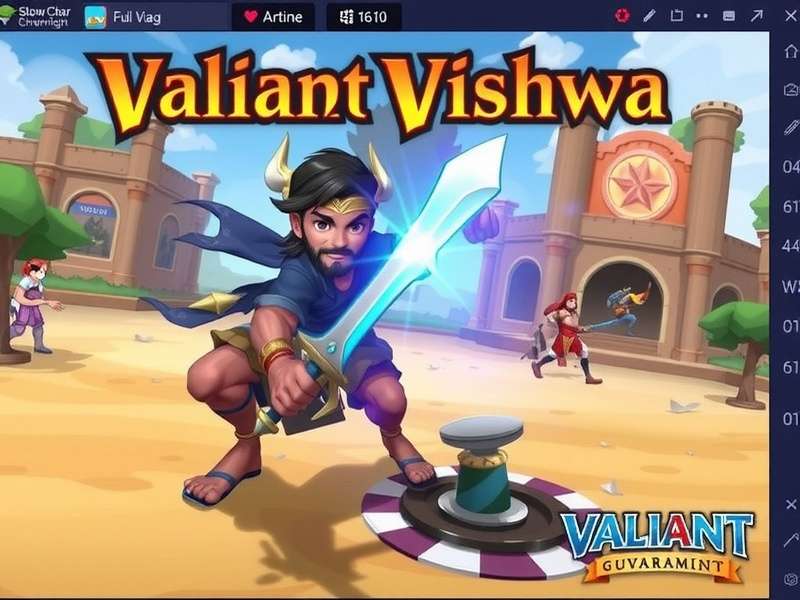
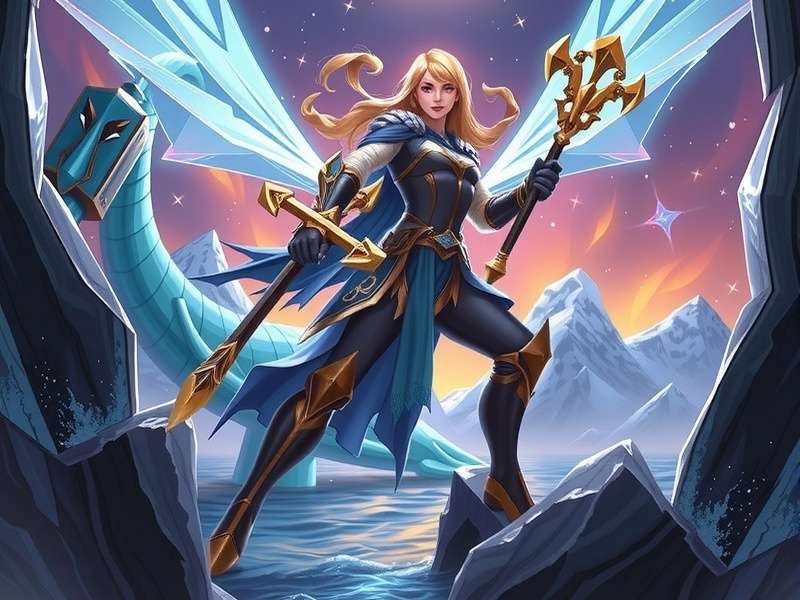
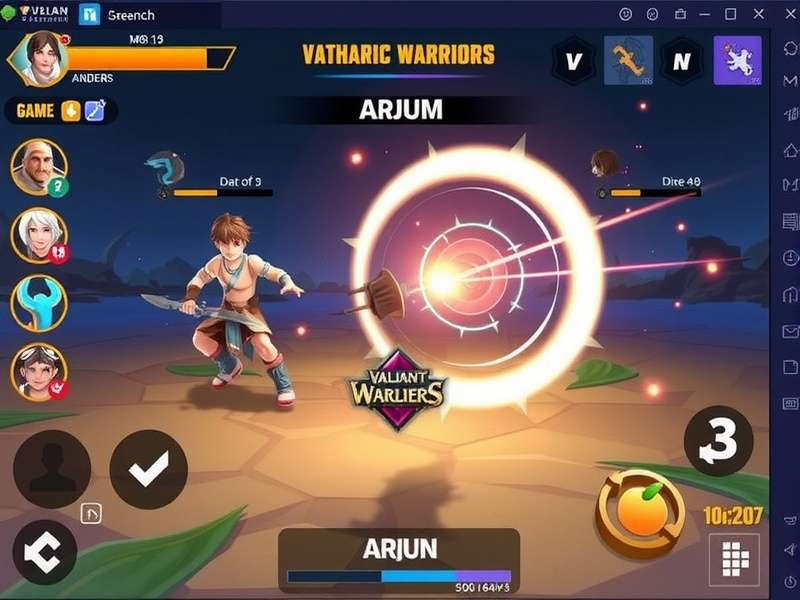
A player using magical combat abilities in Valiant Vishwa Epic Showdown, demonstrating the game's diverse combat options.
The game also features a unique "Dharma Gauge" that fills up as players perform righteous actions (such as helping NPCs, defeating evil enemies, and protecting innocent beings). When the gauge is full, players can unleash a powerful "Divine Strike" that deals massive damage to enemies and heals allies.
Character Progression
Character progression in Valiant Vishwa Epic Showdown is deep and customizable. Players start by choosing a base character class—Warrior, Archer, or Mage—each with its own strengths, weaknesses, and skill trees. As they level up (by earning experience points through quests and battles), players can allocate skill points to unlock new abilities, improve stats, and customize their playstyle.
| Character Class | Primary Stat | Strengths | Weaknesses |
|---|---|---|---|
| Warrior | Strength & Defense | High durability, powerful melee attacks | Slow movement, vulnerable to magic |
| Archer | Dexterity & Precision | Long-range attacks, high critical hit chance | Low health, weak in close combat |
| Mage | Intelligence & Mana | Powerful spells, area-of-effect damage | Low defense, slow casting time |
In addition to skill trees, players can customize their characters with a wide range of equipment, including weapons, armor, accessories, and divine artifacts. Equipment can be obtained through quests, boss battles, or crafting, and can be upgraded using materials collected throughout the game world. The game also features a "Rune System" that allows players to socket runes into equipment to gain additional stats and abilities.
Quests & Missions
Valiant Vishwa Epic Showdown offers a rich variety of quests and missions, ranging from main story quests that advance the narrative to side quests that explore the game’s lore and characters in greater depth. The main story consists of 80+ missions, divided into 10 chapters, each set in a different mythological realm.
Side quests are equally engaging, often featuring characters from Indian folklore and offering unique rewards. For example, players might help Lord Hanuman retrieve a sacred relic, assist the Pandavas in preparing for the Kurukshetra War, or mediate a dispute between rival gods.
The game also includes daily and weekly missions that refresh regularly, offering players the chance to earn rare rewards and compete on leaderboards. These missions range from defeating a certain number of enemies to collecting specific items or completing challenges within a time limit.
Multiplayer Modes
Multiplayer is a key component of Valiant Vishwa Epic Showdown, allowing players to team up with friends or compete against others from around the country. The game offers several multiplayer modes:
- Co-op Mode: Up to 4 players can team up to complete quests, defeat powerful bosses, or explore dungeons. Co-op play requires coordination and strategy, as each player’s class complements the others.
- Player vs. Player (PvP): Players can compete in 1v1, 2v2, or 3v3 battles in dedicated arenas. PvP matches are fast-paced and skill-based, with leaderboards that track the top players in each region.
- Guild Wars: Guilds can battle against each other in large-scale wars involving up to 30 players per side. Guild Wars feature unique objectives, such as capturing flags, defending bases, or defeating a powerful guild boss.
- Events: The game regularly hosts special events, such as festival celebrations (Diwali, Holi, Navratri) or mythological-themed events, which feature unique multiplayer modes and exclusive rewards.
Multiplayer matches are hosted on dedicated servers, ensuring smooth gameplay and minimal lag. The game also features a voice chat system, allowing players to communicate with their teammates in real-time.
Lore & Storyline
The lore of Valiant Vishwa Epic Showdown is deeply rooted in Indian mythology, drawing inspiration from ancient texts like the Ramayana, Mahabharata, Bhagavad Gita, and various Puranas. However, the game creates a unique universe that weaves these stories together, offering a fresh perspective on familiar tales.
Backstory
The story begins in the Satya Yuga (the age of truth), a time when the universe was in perfect balance. The gods (devas) ruled the heavens, humans lived in harmony on Earth (Prithvi Lok), and the demons (asuras) resided in the underworld (Patala Lok). This balance was maintained by the Trideva—Brahma (the creator), Vishnu (the preserver), and Shiva (the destroyer).
However, the peace was shattered when Mahishasura, the king of the asuras, discovered a powerful artifact known as the "Amrita Kalasha" (the pot of immortality). With this artifact, Mahishasura gained immense power and began to spread adharma across the universe. He attacked the heavens, defeated the devas, and began to conquer the mortal realm.
In desperation, the Trideva gathered the remaining devas and performed a great yajna (sacrifice) to create a champion who could defeat Mahishasura. From the flames of the yajna emerged the player’s character—a being of pure dharma, blessed with the powers of the gods. This champion is tasked with retrieving the Amrita Kalasha, defeating Mahishasura, and restoring balance to the universe.
Main Storyline
The main storyline of Valiant Vishwa Epic Showdown is divided into 10 chapters, each set in a different realm and featuring unique challenges and characters:
Chapter 1: The Call of Dharma (Prithvi Lok)
The player awakens in a small village in the foothills of the Himalayas, unaware of their true destiny. After defending the village from a group of asura raiders, they meet a wise sage who reveals their purpose as the chosen champion. The chapter ends with the player setting out to find the first piece of the Amrita Kalasha, which is said to be hidden in a nearby forest.
Chapter 2: The Forest of Mysteries (Aranya Lok)
The player ventures into the ancient Aranya Lok, a forest inhabited by mythical creatures like vanaras (monkey-men), nagas (snake-people), and rishis (sages). Along the way, they befriend Hanuman, the monkey god, who helps them navigate the forest and defeat the asura general guarding the first piece of the Amrita Kalasha.
Chapter 3: The Mountain of the Gods (Himalaya Lok)
The player travels to the Himalayas, the abode of the gods. Here, they meet Lord Shiva, who tests their courage and wisdom before granting them a powerful weapon. The chapter culminates in a battle against a giant asura who has captured a group of devas and is using their power to fuel his own.
Chapter 4: The City of Gold (Svarga Lok)
The player ascends to Svarga Lok, the heavenly realm ruled by Indra, the king of the devas. However, the realm is in chaos, as Mahishasura’s forces have invaded and captured Indra. The player must rally the remaining devas, infiltrate Indra’s palace, and rescue the king to obtain the next piece of the Amrita Kalasha.
Chapter 5: The Ocean of Milk (Kshira Sagara)
The player journeys to the Kshira Sagara, the mythical ocean of milk. Here, they must team up with the devas and asuras (in a temporary truce) to churn the ocean and retrieve the next piece of the Amrita Kalasha. The chapter features a epic boss battle against the sea monster, Makara.
Chapter 6: The Desert of Illusions (Lanka Lok)
The player travels to Lanka Lok, the island kingdom once ruled by Ravana. Now, it is controlled by Mahishasura’s general, who uses illusions to confuse and defeat his enemies. The player must navigate the desert of illusions, overcome their own fears, and defeat the general to obtain the next piece of the Amrita Kalasha.
Chapter 7: The Plains of Kurukshetra (Kuru Lok)
The player arrives at Kurukshetra, the site of the great war from the Mahabharata. Here, they meet the Pandavas and Kauravas, who are once again preparing for battle—this time against the asuras. The player must choose a side, help their allies prepare for war, and defeat a powerful asura commander to obtain the next piece of the Amrita Kalasha.
Chapter 8: The Underworld (Patala Lok)
The player descends into Patala Lok, the underworld ruled by the asuras. Here, they face their greatest fears and must navigate through dark caves, poisonous rivers, and haunted cities. Along the way, they meet the god of death, Yama, who offers them guidance in exchange for completing a quest. The chapter ends with a battle against Mahishasura’s son, who guards the second-to-last piece of the Amrita Kalasha.
Chapter 9: The Realm of Chaos (Andhakara Lok)
The player travels to Andhakara Lok, a realm of pure darkness created by Mahishasura’s power. Here, the laws of physics do not apply, and the player must use all their skills and abilities to navigate the chaotic environment. The chapter features a series of challenging puzzles and battles, culminating in a fight against Mahishasura’s most powerful general.
Chapter 10: The Final Showdown (Mahishasura’s Fortress)
The player reaches Mahishasura’s fortress, located at the center of the universe. Here, they must face off against Mahishasura in an epic final battle. The outcome of the battle determines the fate of the universe—if the player wins, balance is restored and the Satya Yuga returns; if they lose, adharma triumphs and the universe is plunged into eternal darkness.
A cutscene from Valiant Vishwa Epic Showdown, showing the player character meeting Lord Vishnu, who imparts wisdom and guidance.
Side Stories & Lore Expansions
In addition to the main storyline, Valiant Vishwa Epic Showdown features numerous side stories and lore expansions that delve deeper into the game’s universe. These side stories often focus on minor characters from Indian mythology, giving them more depth and backstory.
For example, one side quest explores the story of Sita, who has been captured by a group of asuras and must be rescued. Another quest follows the adventures of Arjuna, who is on a mission to retrieve a sacred bow from a powerful demon. These side stories not only add hours of gameplay but also enrich the game’s lore and make the universe feel more alive.
The game also features "Lore Codex," a collection of texts that players can unlock as they progress. These texts include stories from the Vedas and Puranas, character biographies, and explanations of mythological concepts, making Valiant Vishwa Epic Showdown not just a game but also an educational experience.
Playable Characters & NPCs
Valiant Vishwa Epic Showdown boasts a diverse cast of playable characters and non-playable characters (NPCs), each inspired by Indian mythology and folklore. From powerful gods and goddesses to brave warriors and wise sages, the game’s characters are well-designed and memorable, with unique personalities and abilities.
Playable Characters
Players start by choosing one of three base playable characters, each representing a different class. As they progress through the game, they can unlock additional playable characters, each with their own unique skills and playstyles.
1. Arjun (Warrior Class)
Arjun is one of the Pandava brothers from the Mahabharata, known for his skill with the bow and arrow. In Valiant Vishwa Epic Showdown, he is a versatile warrior who excels in both melee and ranged combat. His special abilities include "Gandiva Arrow," which fires a powerful arrow that pierces multiple enemies, and "Viraat Form," which increases his strength and defense for a limited time.
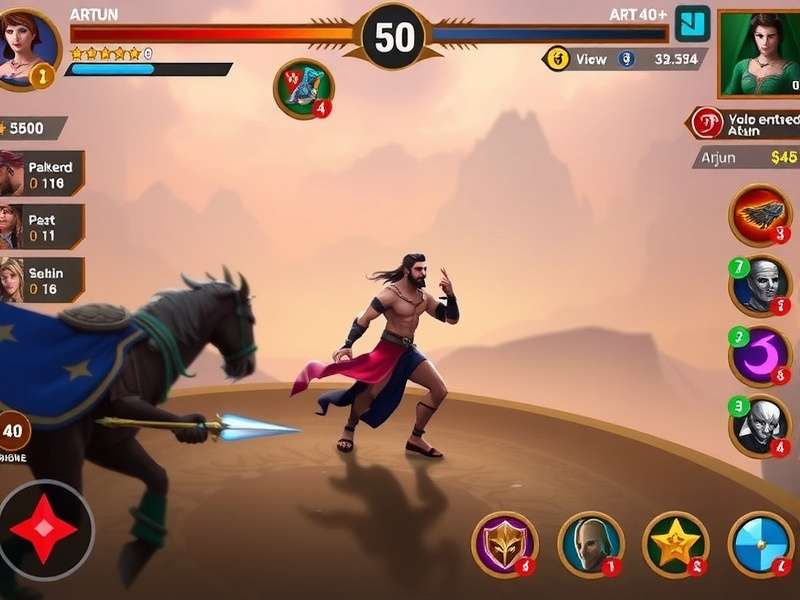
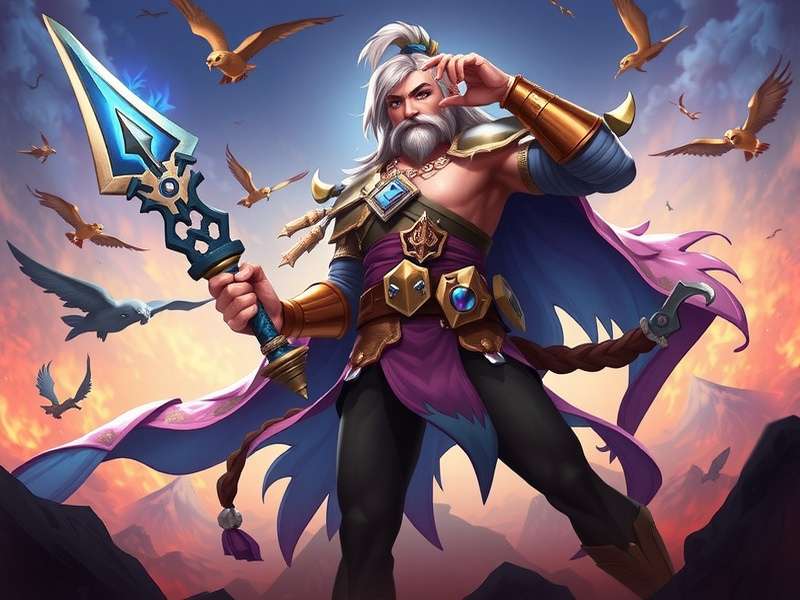
Arjun, the warrior class playable character in Valiant Vishwa Epic Showdown, wielding his legendary bow, Gandiva.
2. Meera (Mage Class)
Meera is a fictional character inspired by the Bhakti movement, a devotional tradition in India. She is a powerful mage who can harness the power of divine love and devotion to cast powerful spells. Her special abilities include "Bhakti Aura," which heals allies and damages enemies, and "Krishna’s Blessing," which grants her invincibility for a short period.
3. Bheem (Warrior Class)
Bheem is another Pandava brother, known for his immense strength and courage. In the game, he is a tank character who excels at absorbing damage and protecting allies. His special abilities include "Gada Smash," which deals massive area-of-effect damage, and "Bheem’s Rage," which increases his attack power and reduces damage taken.
4. Lakshmi (Support Class)
Lakshmi is the Hindu goddess of wealth, prosperity, and fortune. She is a support character who can heal allies, buff their stats, and debuff enemies. Her special abilities include "Prosperity Blessing," which heals all allies and increases their gold gain, and "Lakshmi’s Shield," which protects allies from damage for a limited time.
5. Kartikeya (Ranger Class)
Kartikeya is the Hindu god of war and victory, often depicted riding a peacock. He is a ranger character who excels at fast-paced combat and hit-and-run tactics. His special abilities include "Peacock Strike," which allows him to dash through enemies and deal damage, and "Shakti Arrow," which fires a homing arrow that explodes on impact.
Key NPCs
The game’s world is populated by a variety of NPCs, each with their own roles and personalities. Some of the key NPCs include:
- Lord Vishnu: The preserver of the universe, who guides the player throughout their journey. He appears at key moments to offer advice, grant powers, and advance the storyline.
- Lord Shiva: The destroyer of the universe, who tests the player’s courage and wisdom. He is a powerful ally who can be called upon to assist in battles.
- Hanuman: The monkey god, who is a loyal companion of the player. He helps the player navigate difficult areas, provides information about the game’s world, and can join them in battles.
- Mahishasura: The main antagonist of the game, who is determined to spread adharma across the universe. He is a powerful demon king with a variety of abilities, including shape-shifting and dark magic.
- Sage Vishwamitra: A wise sage who teaches the player about dharma and helps them master their abilities. He provides quests and rewards for completing tasks.
- Indra: The king of the devas, who is captured by Mahishasura’s forces. The player must rescue him to gain his support and access to powerful weapons and abilities.
Each NPC is voiced by professional voice actors, bringing them to life with authentic accents and emotions. The game’s voice acting has been praised for its quality, with many players noting that it adds depth and immersion to the storyline.
Key Features
Valiant Vishwa Epic Showdown is packed with features that set it apart from other games in the genre. From stunning visuals to innovative gameplay mechanics, the game offers a comprehensive and engaging experience for players of all ages.
Stunning Visuals & Graphics
The game features state-of-the-art graphics that bring India’s mythological world to life. The developers have used advanced 3D rendering technology to create detailed environments, realistic character models, and stunning special effects. Each realm in the game has a unique visual style, from the lush forests of Aranya Lok to the golden palaces of Svarga Lok.
The game also features dynamic weather and day-night cycles, which not only add visual variety but also affect gameplay. For example, rain can reduce visibility in ranged combat, while night-time can increase the spawn rate of powerful enemies.
The golden palaces of Svarga Lok, showcasing the game's stunning visual design and attention to detail.
Authentic Indian Soundtrack
The game’s soundtrack is composed by renowned Indian musicians, featuring traditional instruments like the sitar, tabla, veena, and flute. The music is designed to complement the game’s environments and storyline, with epic orchestral pieces for battles and serene melodies for exploration.
In addition to the soundtrack, the game features authentic sound effects, such as the clash of weapons, the roar of monsters, and the chanting of mantras. These sound effects add depth and immersion to the gameplay experience.
Cultural Authenticity
One of the game’s biggest strengths is its commitment to cultural authenticity. Every aspect of the game—from the characters and weapons to the environments and storylines—is meticulously researched to reflect India’s cultural heritage.
The game features numerous references to Indian mythology, folklore, and traditions, making it not just a game but also a celebration of Indian culture. For example, the game’s festivals (Diwali, Holi, Navratri) are celebrated with special events and decorations, and the characters often quote from ancient texts like the Bhagavad Gita.
Regular Content Updates
The developers of Valiant Vishwa Epic Showdown are committed to providing regular content updates to keep the game fresh and engaging. Since its launch, the game has received several major updates, including new characters, quests, gameplay modes, and events.
Some of the key updates include:
- Diwali Update (October 2023): Added a new Diwali-themed event, new character skins, and a special dungeon featuring the goddess Lakshmi.
- Holi Update (March 2024): Introduced a new Holi-themed PvP mode, new weapons, and a questline featuring the god Krishna.
- Navratri Update (September 2024): Added nine new playable characters (one for each day of Navratri), a new co-op mode, and a special boss battle against the goddess Durga.
- Mahabharata Expansion (December 2024): Introduced a new chapter based on the Mahabharata, new playable characters from the epic, and a large-scale PvP mode inspired by the Kurukshetra War.
The developers also actively engage with the community to gather feedback and suggestions for future updates. This community-driven approach ensures that the game continues to evolve in a way that meets the needs and expectations of its players.
Accessibility Features
Valiant Vishwa Epic Showdown is designed to be accessible to players of all abilities. The game features a range of accessibility options, including:
- Adjustable difficulty levels (Easy, Medium, Hard, Expert)
- Customizable controls (touchscreen, controller, keyboard)
- Text-to-speech and speech-to-text functionality
- Colorblind mode
- Reduced motion mode
- Subtitles in 12 regional languages
These accessibility features have made the game popular among players with disabilities, who appreciate the developers’ commitment to inclusivity.
Community & Esports
Valiant Vishwa Epic Showdown has built a large and active community of players from across India. The game’s community is known for its friendliness and inclusivity, with players of all ages and backgrounds coming together to share their experiences, strategies, and love for the game.
Community Platforms
The game has a strong presence on various social media and gaming platforms, including:
- Discord: The official Discord server has over 500,000 members, where players can chat, find teammates, share tips and tricks, and interact with the development team.
- Facebook: The official Facebook page has over 2 million followers, where the developers share news, updates, and behind-the-scenes content.
- Instagram: The official Instagram account has over 1.5 million followers, featuring gameplay screenshots, character art, and community highlights.
- YouTube: The official YouTube channel has over 1 million subscribers, with videos featuring gameplay tutorials, story walkthroughs, and live streams of events.
- Reddit: The game’s subreddit has over 200,000 members, where players discuss the game, share fan art, and provide feedback to the developers.
The development team regularly interacts with the community through these platforms, hosting Q&A sessions, polls, and contests. This engagement has helped to build a strong bond between the developers and players, fostering a sense of community ownership.
Esports Tournaments
Valiant Vishwa Epic Showdown has emerged as a popular title in the Indian esports scene, with numerous tournaments and events being held across the country. The game’s competitive PvP modes and guild wars are well-suited for esports, offering fast-paced, skill-based gameplay that is exciting to watch.
Some of the key esports tournaments for Valiant Vishwa Epic Showdown include:
1. Valiant Vishwa Championship
Organized by Daman Games, this is the game’s flagship esports tournament, featuring a prize pool of ₹1 crore. The tournament is held annually, with teams from across India competing in a series of online and offline matches. The final is held in a major city (such as Mumbai, Delhi, or Bangalore) and is streamed live on YouTube and Twitch, attracting millions of viewers.
2. Regional Qualifiers
Throughout the year, Daman Games organizes regional qualifiers for the Valiant Vishwa Championship, giving teams from different states a chance to compete. These qualifiers are held in major cities across India, making it accessible to players from all regions.
3. College Esports Tournaments
Valiant Vishwa Epic Showdown is a popular title in college esports tournaments, with many colleges and universities hosting their own events. These tournaments provide a platform for young players to showcase their skills and potentially join professional esports teams.
4. Online Tournaments
In addition to offline events, there are numerous online tournaments organized by third-party esports organizations. These tournaments offer smaller prize pools but are more frequent, allowing players to compete regularly and improve their skills.
The grand finals of the Valiant Vishwa Championship, held in Mumbai, attracting thousands of spectators and millions of online viewers.
Professional Esports Teams
Several professional esports teams in India have signed players dedicated to Valiant Vishwa Epic Showdown. These teams include:
- Team India Gaming: One of India’s top esports teams, with a dedicated Valiant Vishwa roster that has won multiple tournaments.
- Gods of Gaming: A team known for its aggressive playstyle and strategic gameplay, which has finished in the top three of several major tournaments.
- Mythic Warriors: A team composed of some of the game’s top players, known for their skill and teamwork.
- Desi Gamers: A team that focuses on promoting Indian esports talent, with a Valiant Vishwa roster that includes players from rural areas.
These teams receive sponsorships from major brands, allowing their players to pursue esports as a full-time career. The growth of Valiant Vishwa Epic Showdown in the esports scene has helped to legitimize esports in India and create opportunities for young gamers.